What is net metering?
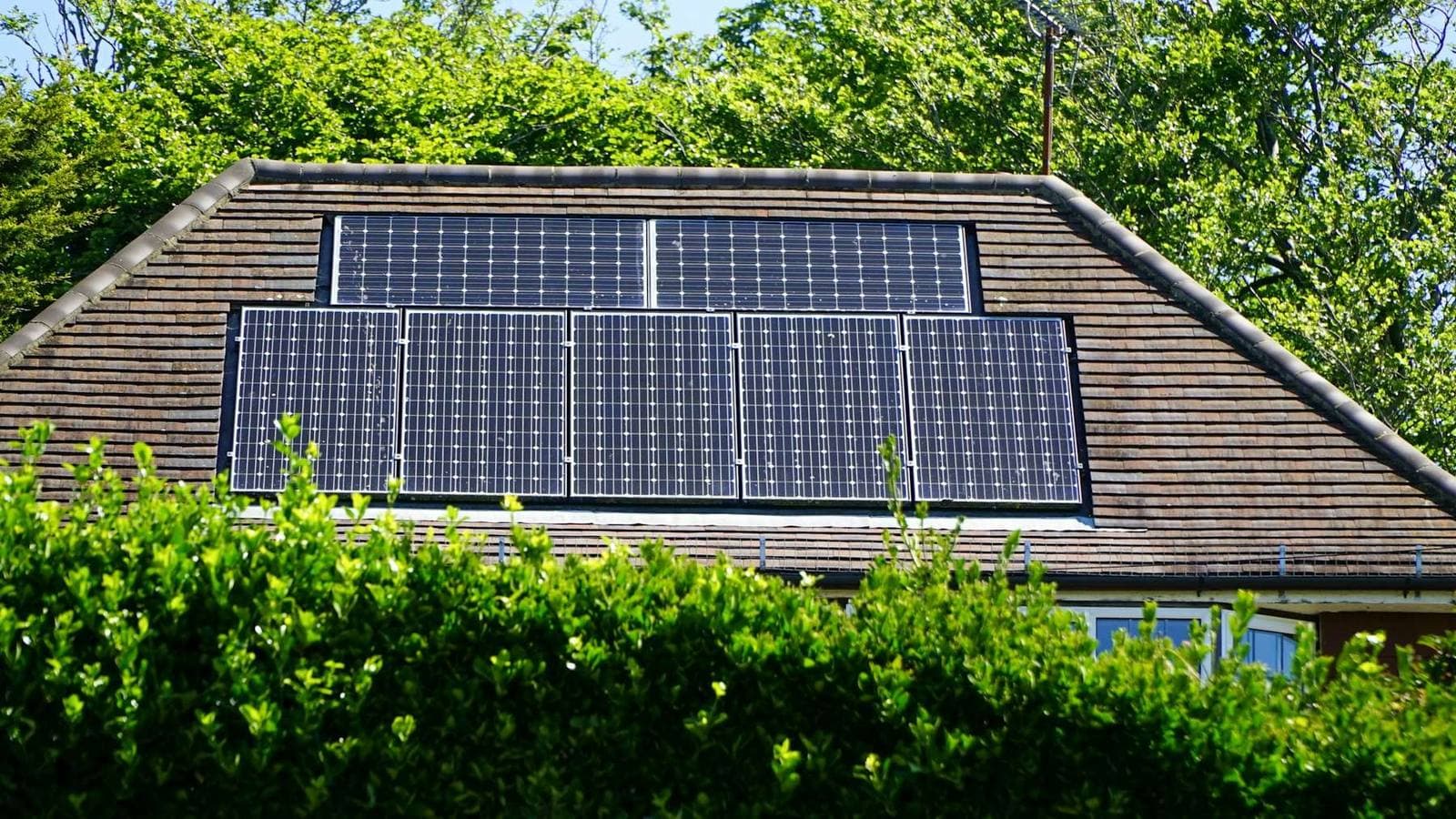
During the day your solar panels often produce more power than you use at that moment. The surplus goes back to the grid. In the evening, when the sun has gone, you draw power from the grid instead.
Net metering (in Dutch: salderen) means those two are offset against each other. If you send 3,000 kWh back in a year and draw 3,500 kWh from the grid, you only pay for 500 kWh. (kWh is the unit you'll also see on your energy bill.) In effect, the grid worked like a free battery: whatever you had left over during the day, you got back in the evening.
What changes on 1 January 2027?
From 1 January 2027 the net metering scheme (salderingsregeling) ends completely. There's no phase-out: it stops all at once. From then on you pay the normal price for all the power you draw from the grid.
For the power you send back, your energy supplier pays you a feed-in tariff. That tariff is lower than what you pay for power yourself. So after 2027, the power you send back is worth less than it is now.
How will it affect your energy bill?
How much you lose out mainly depends on one thing: how much of your own solar power you use straight away. Power you use immediately is power you don't have to buy. That doesn't change. The difference is in the power you send back.
You're mostly home in the evening
Then you send a lot back during the day and draw a lot from the grid in the evening. You'll notice the change most after 2027, because you'll pay more for evening power than you receive for daytime power.
You're often home during the day
Do you work from home, or do the washing machine and dishwasher run during the day? Then you already use much of your own power. The difference will be smaller for you.
Also check your energy contract. Suppliers are allowed to charge for processing the power you send back. So don't just compare the price per kWh, but also what you receive and pay for feeding power back.
Five things you can do now
- Use power while the sun shines. Run the washing machine, dishwasher or dryer during the day. Many appliances have a delayed start, so you can set them up in the morning.
- Charge your car during the day. With an EV charger that charges smartly, you fill your car when your panels produce the most.
- Store power in a home battery. A home battery stores your surplus for the evening. Whether it pays off depends on your usage.
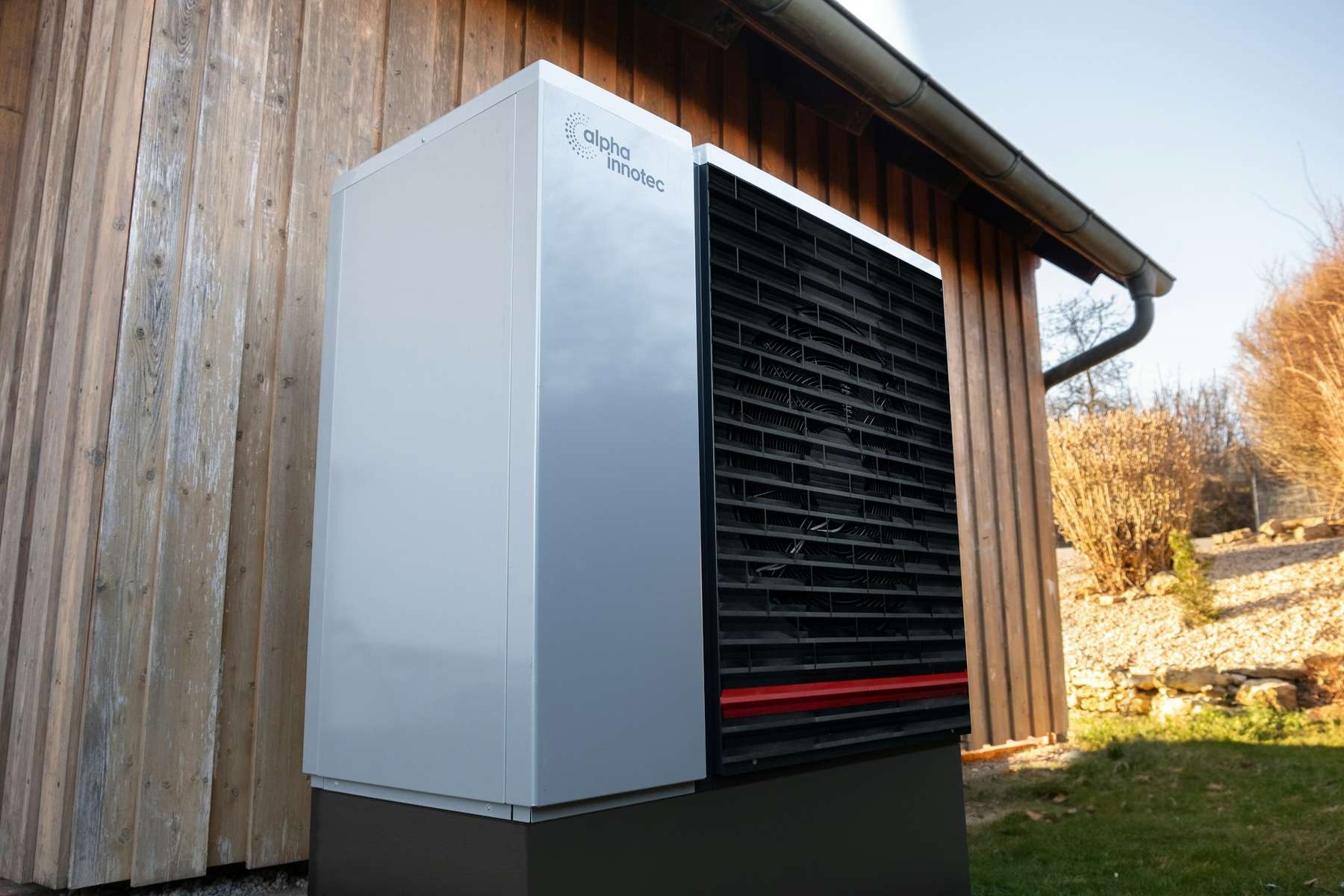
- Heat and cool with your own power. A heat pump or air conditioning running during the day uses your solar power directly.
- Take a critical look at your energy contract. Check the feed-in tariff and any feed-in costs. A contract with an hourly electricity price can also be interesting, especially combined with a battery.
So is a home battery always a good idea?
No. A battery costs money and doesn't pay for itself in every household. If you're home a lot during the day and already use most of your own power, a battery adds less. If you're mostly home in the evening and send a lot back, it's more likely to pay off.
Not sure? Try the quick check or request a quote. We'll look at your usage and tell you honestly if a battery doesn't make sense for you.
In short
- The Dutch net metering scheme ends on 1 January 2027, all at once.
- After that, you get a lower tariff for power you send back. Until 2030 it's at least half of the bare supply rate.
- The more of your solar power you use yourself, the less you'll notice.
- Using power during the day, smart charging and a home battery can help. Whether it pays off differs per home.