How does a heat pump work?
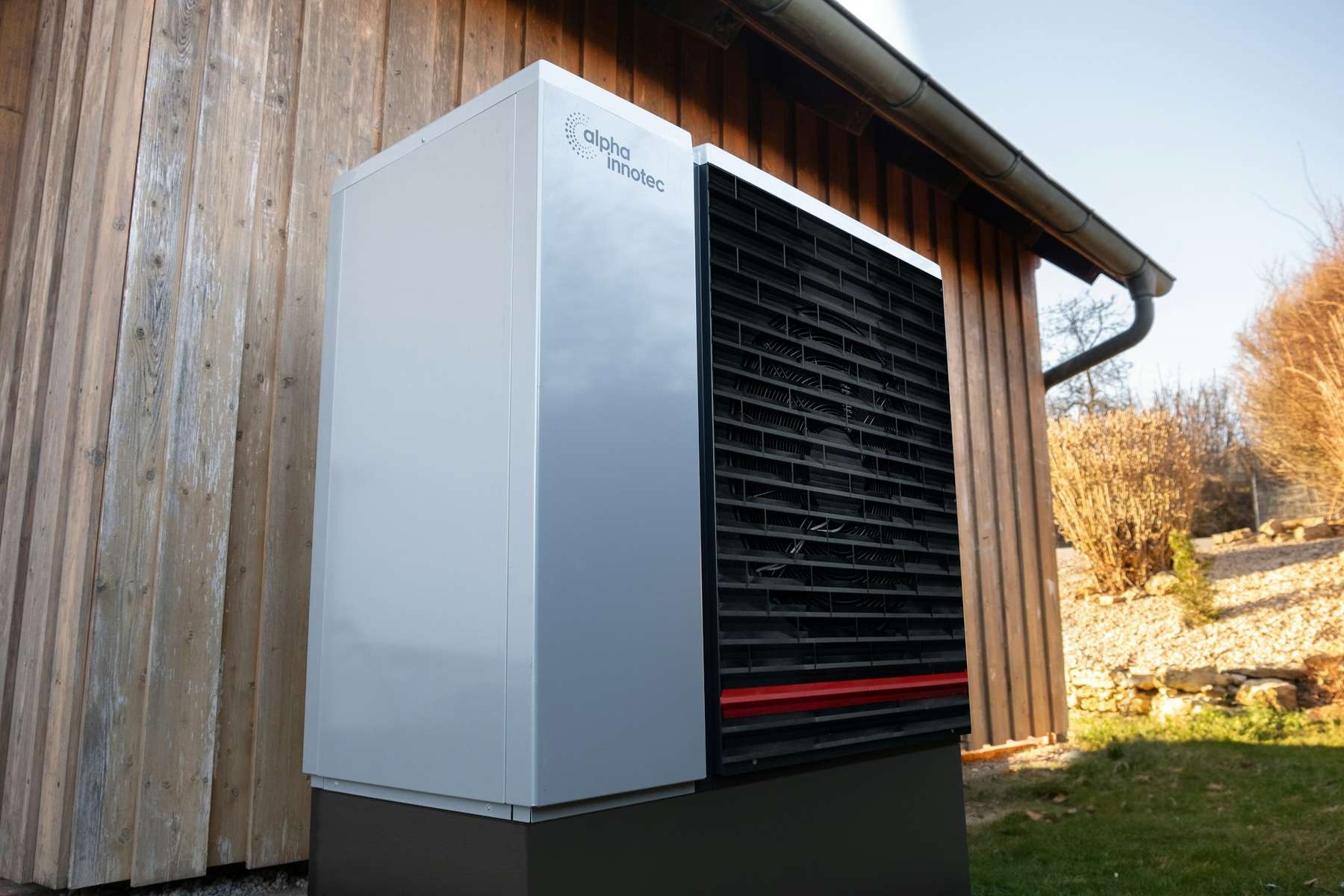
A heat pump takes warmth from the outside air, even when it's cold outside. It uses that warmth to heat your home and often your tap water too. It runs on electricity, but delivers far more heat than the electricity it uses. That makes it much more efficient than heating with gas.
A heat pump heats more gently than a gas boiler. The water in your heating system doesn't get as hot, but it runs for longer. That's why it works best in a home that holds on to its heat well.
Option 1: a heat pump alongside your boiler
With this option your gas boiler stays. The heat pump does most of the work. Only on cold days, or when you need a lot of hot water, does the boiler step in. This is called a hybrid heat pump.
- You use much less gas for heating.
- Works in most homes, including with normal radiators.
- A smaller investment than going fully gas-free.
- A good step if your home isn't fully insulated yet.
Option 2: fully gas-free
With this option the gas boiler goes. The heat pump heats your whole home and usually your tap water too, with a hot water tank. This is called an all-electric heat pump. If you also cook on electric, you can have your gas connection removed.
- No more gas, and without a gas connection no fixed gas charges either.
- Works best in a well-insulated home.
- Often combined with underfloor heating or larger radiators.
- A bigger investment, but also the biggest saving on gas.
Which one suits your home?
| Your home | What we usually recommend |
|---|---|
| New build or well insulated, with underfloor heating | Fully gas-free |
| Double glazing and some insulation | A heat pump alongside your boiler |
| Older home without insulation | Insulate first, then a heat pump alongside your boiler |
| Your boiler is due for replacement | A good moment to see if gas-free is possible |
This is a first direction. During a visit we look at your home, your radiators and how much gas you use now. After that you'll know exactly what fits. You can also try the quick check first.
What about subsidies?
In the Netherlands you can get a subsidy for a heat pump through the ISDE, a government scheme. It applies to both a hybrid and an all-electric heat pump. According to RVO, the agency that runs it, you always receive at least € 500. The exact amount depends on the model.
- You apply after the heat pump has been installed, within 24 months.
- It must be installed by an installation company. Doing it yourself doesn't count.
- Not every model qualifies. We'll tell you beforehand which ones do.
Amounts and conditions change from time to time. For the current rules, see the RVO website (in Dutch).
What else should you consider?
Noise
The outdoor unit makes some noise, just like air conditioning. Modern heat pumps are quiet, but the location still matters. We'll find a spot together where neither you nor your neighbours are bothered by it.
Your fuse box
A heat pump needs its own connection in the fuse box. Sometimes a small change is needed, or it's a good moment to replace your fuse box. You'll see this in the quote beforehand.
Together with solar panels
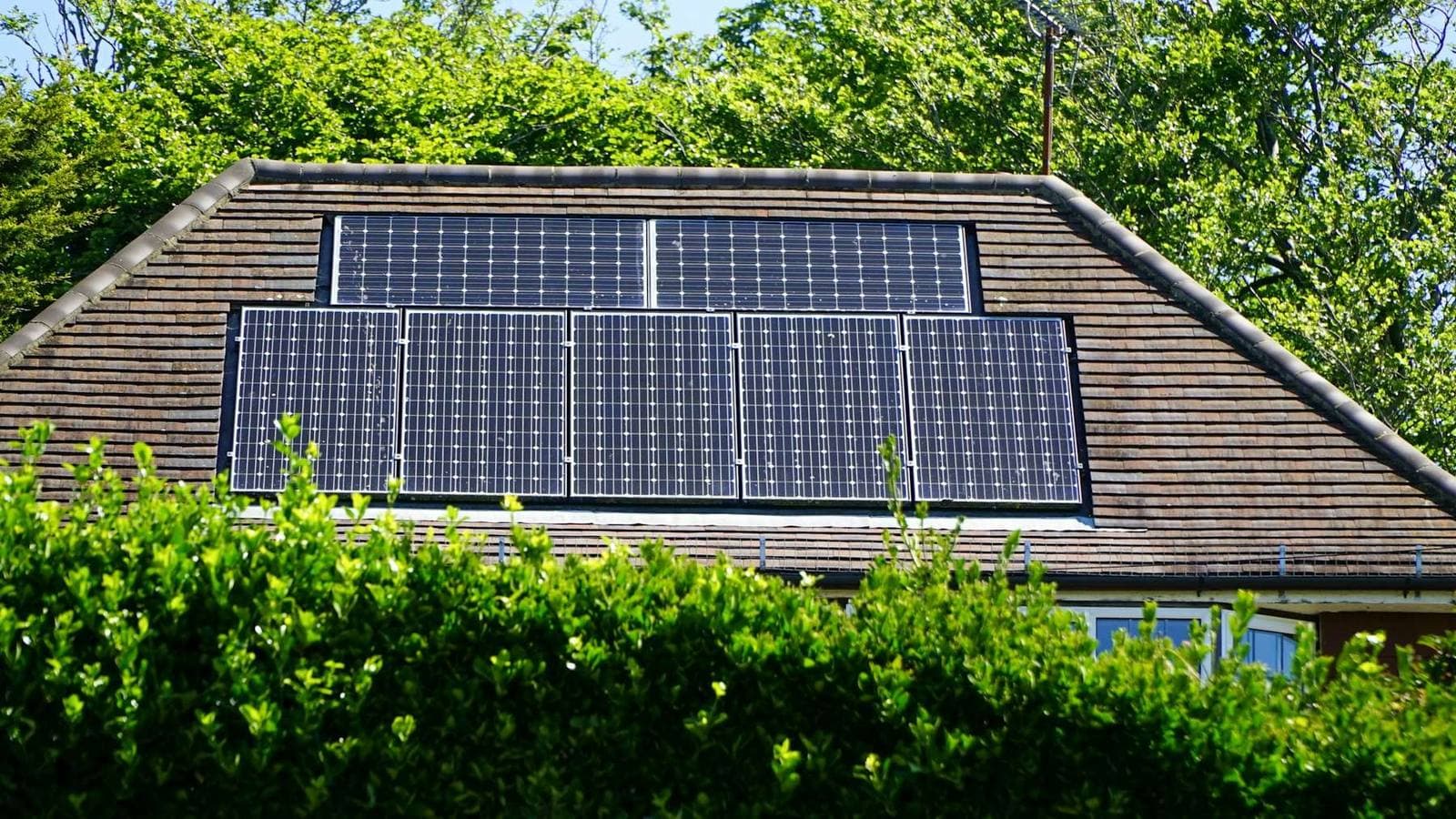
Do you have solar panels? Then you partly heat with your own power during the day. Now that Dutch net metering ends in 2027, that becomes even more interesting.
In short
- A heat pump alongside your boiler is a small step that saves a lot of gas. It suits most homes.
- Going fully gas-free works in a well-insulated home and gives the biggest saving.
- Both often qualify for a subsidy, at least € 500 through the ISDE.
- Not sure? We'll come and have a look and give you honest advice. Request a quote.